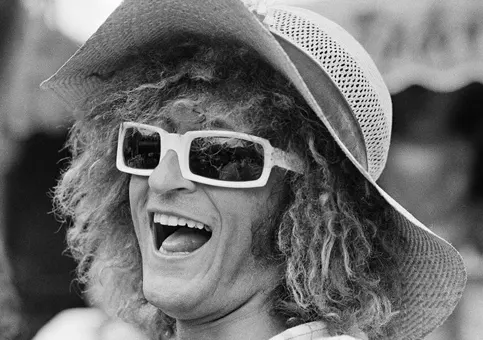
Seventies
For some, the seventies were the golden age of French music.
The transition to 1970 was made by Serge Gainsbourg, Michel Polnareff and Julien Clerc.
1971
A timeless Gainsbourg album came out in 1971: Histoire de Melody Nelson, followed by: Vu de l’extérieur in 1973 including : Je suis venu te dire que je m’en vais, evoking verses by Paul Verlaine. This song was covered in 1981 by Belgian singer Jo Lemaire.
Journalist & french film director, Philippe Labro loves the United States, he writes songs for Johnny Hallyday and later for Serge Gainsbourg.
Singer Catherine Le Forestier and her brother Maxime, on guitar, won first prize at the Spa Festival. With the money they’d won, they decided to leave for San Francisco, and went to an address where a hippie community lived in a “ blue house ” situated at 3841 18th Street in Frisco.
Back in France, Maxime receives a letter with drawings sent to him by the residents.
To thank them, he decided to write them a song rather than a letter, and it was to this end that he composed “San Francisco”.
1972
In 1972, Michel Polnareff, in drag, caused a stir on the posters of the Polnarévolution concert at the Olympia in Paris.
Michel Fugain formes Big Bazar, embodying the hippie spirit with songs that became humanist and libertarian anthems about love, peace, happiness and freedom.
Fais comme l’oiseau is a 1972 cover of the Brazilian song Você Abusou by Antônio Carlos Jobim and Jocafi.
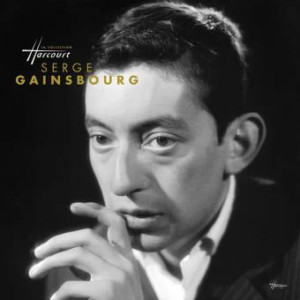
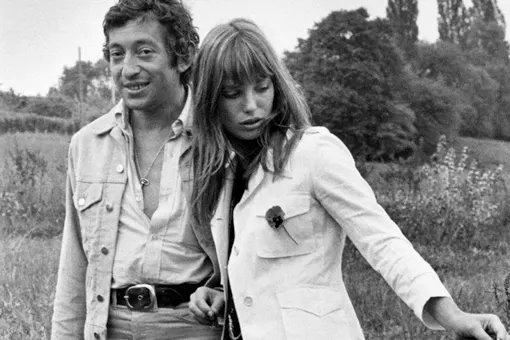
Serge Gainsbourg (1928 – 1991)
Studio Harcourt
1970
1971
1972
1973
1974
Alain Souchon signed his first contract in 1971 with Pathe-Marconi but had no success.
In 1974, he met Laurent Voulzy at RCA Records.
Voulzy became Souchon’s musical arranger for several decades.
In 1974, Jacques Higelin released “BBH 75”, which he recorded with Simon Boissezon and drummer Charles Benarroch, the musicians who gave the album its title.
Higelin followed this up with the albums “Irradié” (1975), “Alertez les bébés” (1976), “No Man’s Land” (1977).
Higelin had three children, all of whom became artists: Arthur H, Kên Higelin and Izïa.
1975
From the album “Suite en œuf” comes “Le Sud”, a huge commercial success for singer Nino Ferrer.
The title is a french cover of “The South” co-interpreted in English with American artist Radiah Frye in 1974.
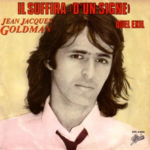
Taï Phong with singer Jean-Jacques Goldman release “ Sister Jane ”, a tribute to Sister Ray and Sweet Jane from Lou Reed’s Velvet Underground, but also a reference to Philip K. Dick, who was affected by the death of his twin sister Jane.
The same year saw the release of the biggest hit of Joe Dassin‘s career : “L’Eté Indien”.
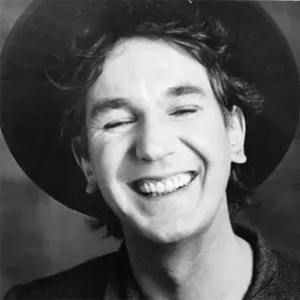
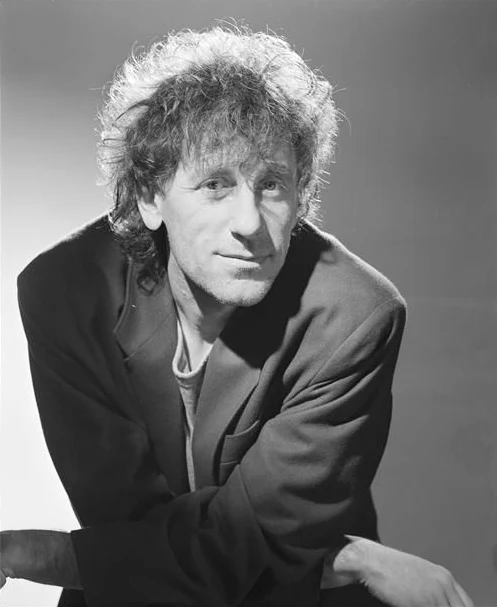
Jacques Higelin (1940 – 2018)
Babelio
1974
1975
1976
1977
Souchon & Voulzy on top with the summer hit : Laurent Voulzy’s Rockollection.
Souchon’s third album: Jamais content, in which he expresses his personal emotions, a characteristic of his personality.
French rock band Téléphone formed one year before releases in 1977 their first, self-titled album.
Singer Yves Simon delivers a soundtrack to Diane Kurys’s film Diabolo Menthe.
1978
Daniel Balavoine made his name in 1978 with the album Le Chanteur and his role in the rock opera Starmania written by Michel Berger and Luc Plamondon.
Francis Cabrel is one of the most influential French musical artists of the end of the seventies.
Renaud Séchan, known as « Renaud », is one of France’s most popular singers.
Several of his songs are popular classics, including the sea tale Dès que le vent soufflera, the irreverent Laisse Béton, the ballad Morgane de toi and the nostalgic Mistral gagnant.
His songs, with their slang lyrics and idiosyncratic Parisian phrasing, deal with both light and serious themes, alternating humor, emotion, and social criticism.
1979
Release of Higelin’s double album : “Champagne pour tout le monde” and “Caviar pour les autres”.
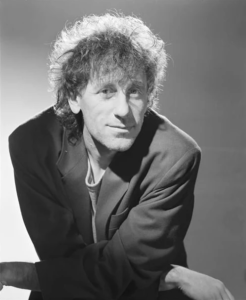
Alain Souchon
(Studio Harcourt 1987)
1977
1978
1979
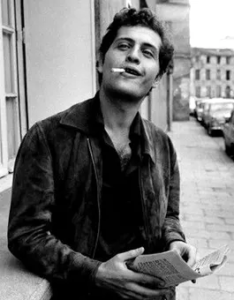
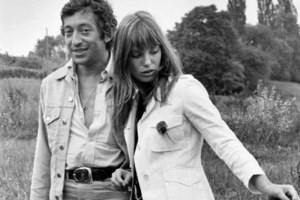
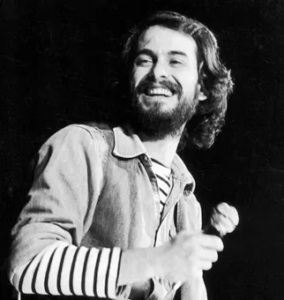
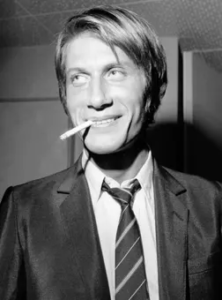
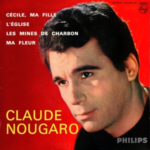
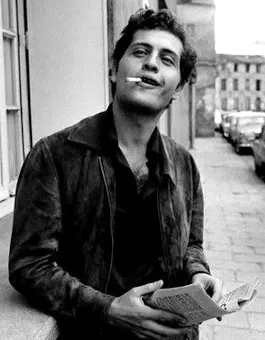
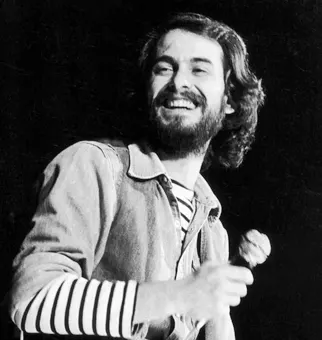
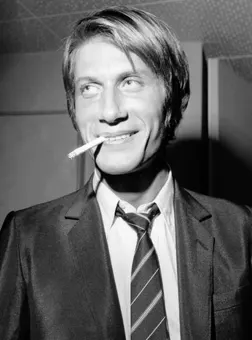
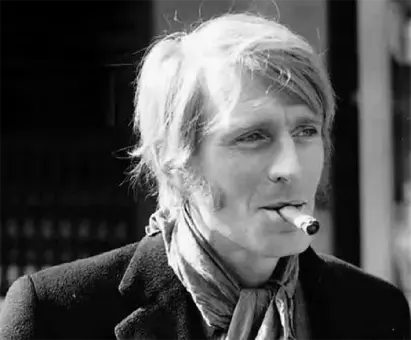
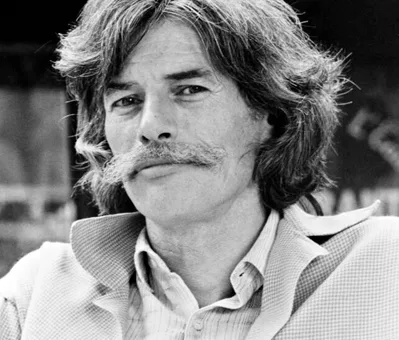
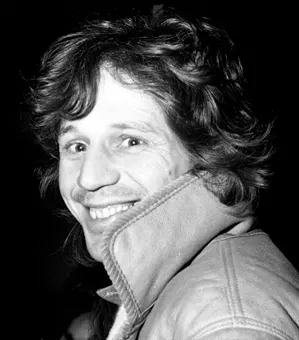
Left to right : Joe Dassin, Serge Gainsbourg, Jane Birkin, Michel Fugain, Alain Souchon, Jacques Dutronc. © Harcourt Studio Paris , Babelio.
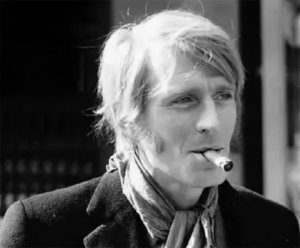
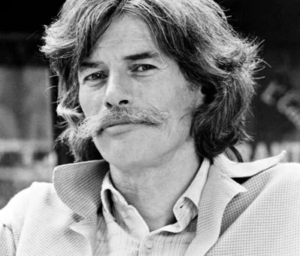
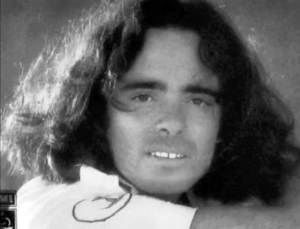

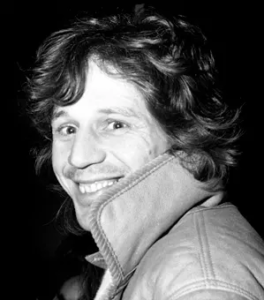
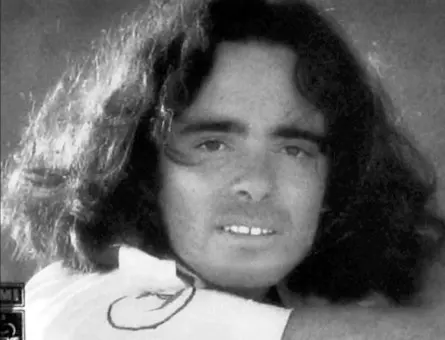
Left to right: Nino Ferrer, Jean Ferrat, Nicolas Peyrac, Laurent Voulzy, Gérard Lenorman.
© Babelio, RCA Records, EMI Records, Voici magazine.
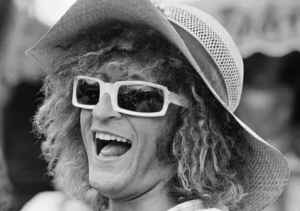
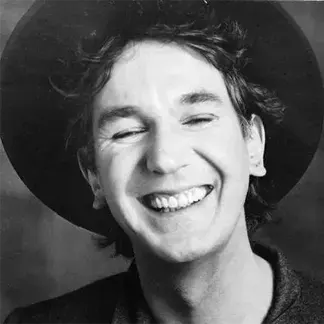
Left to right : Jacques Higelin, Michel Polnareff. © Babelio, Marie-Claire Magazine.