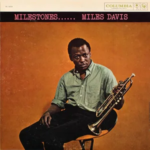
bebop
In the 1940s, a new generation of jazzmen in small groups forged a new style, allowing greater freedom in interpretation and improvisation, and setting themselves apart from the swing music of the 30s and the large musical ensembles.
Their instruments include clarinet, saxophone, trumpet, trombone, piano, double bass, drums, keyboard, electric and acoustic guitar.
Information sources : wikipedia, discogs.com, le jazz dans tous ses états (Franck Bergerot)
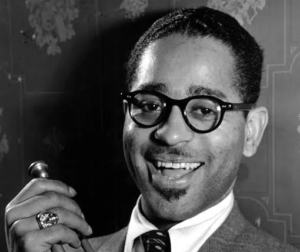
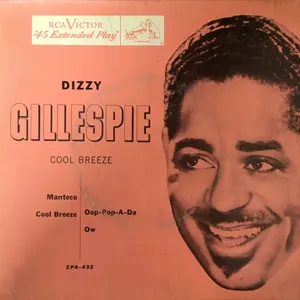
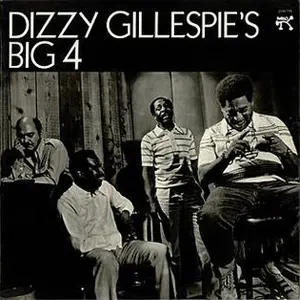
John Burks « Dizzy » Gillespie (1917 – 1993)
Bebop, or bop, is a jazz musical genre that emerged between 1940 and 1950.
Langston Hughes – Bop : In this essay, the poet highlights the prominent cultural issues taking place during the early 1940’s while revealing the origin of a this great form of jazz.
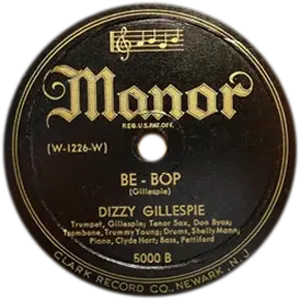
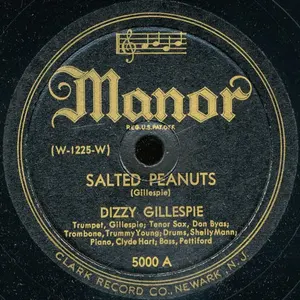
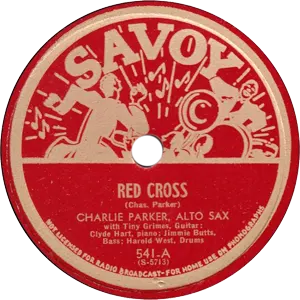
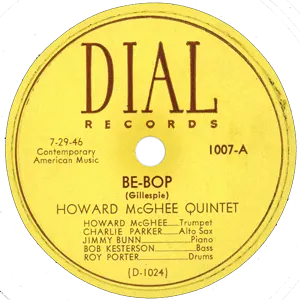
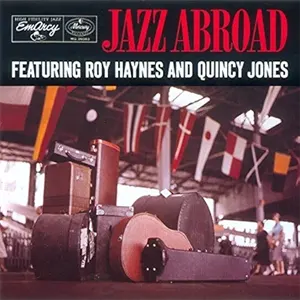
The first bebop experiments were the fruit of sessions with Dizzy Gillespie , Charlie Parker , Bud Powell , Thelonious Monk , Quincy Delight Jones Jr., Charlie Christian, influenced by previous generations, especially Art Tatum, Earl Hines, Coleman Hawkins, Lester Young et David Roy Eldridge choruses.
The bebop style is distinguished from early jazz by its fast tempo, dynamic phrasing and harmonic grids, and by the fact that it is not necessarily dance-related.
Cool jazz and west coast jazz emerged in 1949 and the early ’50s.
In the mid-1950s, Miles Davis and John Coltrane began to explore beyond bebop.
Other musical styles were to emerge, such as hard bop, modal jazz and free jazz.
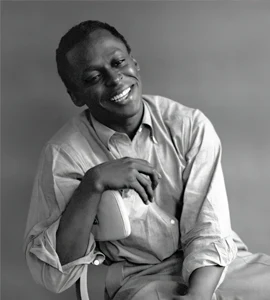
Miles Dewey Davis III by Palumbo
(1926 – 1991)
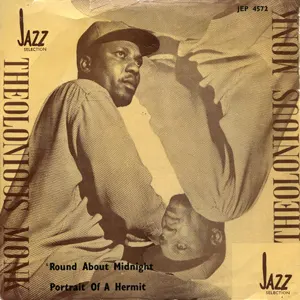
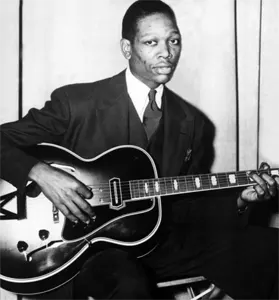
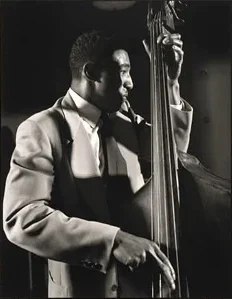
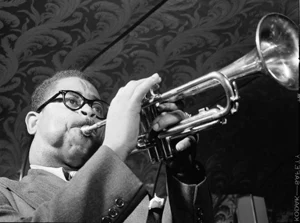
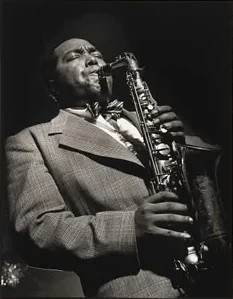
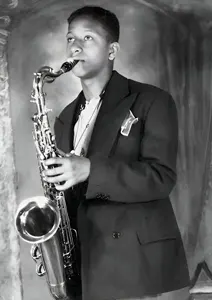
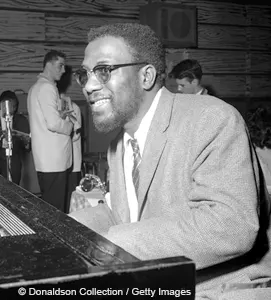
Left to right :
Charlie Christian, Ray Brown, Dizzy Gillespie, Charlie Parker ‘Bird’, Sonny Rollins, Thelonious Monk.
© Getty Images, Pinterest, clichés : Ray Brown (1945), Charlie Parker (1949).