progressive rock
(1967 – 1979)
Origins
Progressive rock was inspired by psychedelic rock and emerged in the UK and Germany towards the end of the 1960s.
The use of musical and instrumental techniques derived from classical and jazz music and from musical genres such as folk, blues, ethnic or medieval music gives it an artistic distinctiveness, with complex compositions and long instrumental parts, leaving plenty of room for improvisation.
The instruments used are guitar, bass and drums, plus keyboards and synthesizers, violin, cello, flute, flute, saxophone, trumpet, vibraphone, xylophone and percussion of all kinds.
Choirs and backing vocals are sometimes added to the compositions.
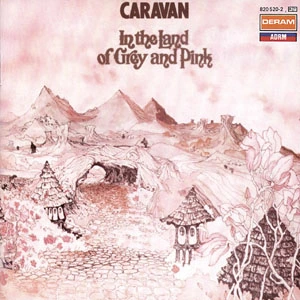
Caravan is a British rock band from the Canterbury area.
The term ‘progressive rock’ is said to have originated in the booklet of the band Caravan’s album of the same name, released in 1968.
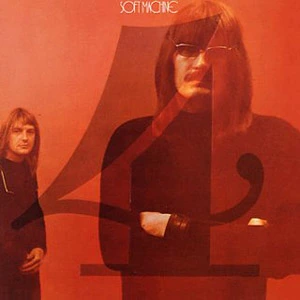
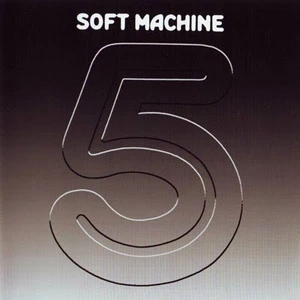
The Kent town became the birthplace of some of the most free-spirited British bands of the post-psychedelic era: Soft Machine, Caravan, Gong, Robert Wyatt, Kevin Ayers, Hatfield & the North, Egg, National Health.
Artworks
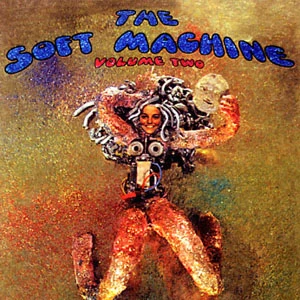
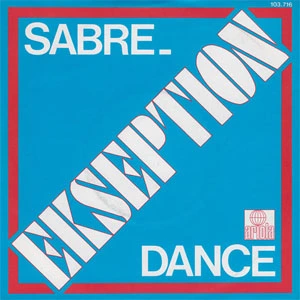
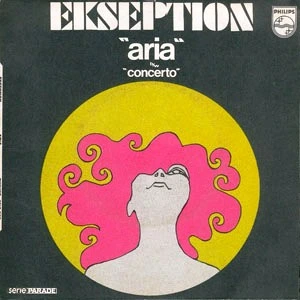
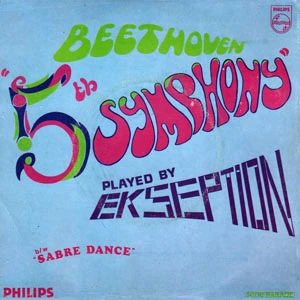
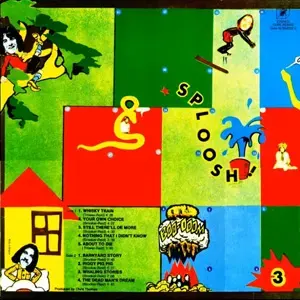
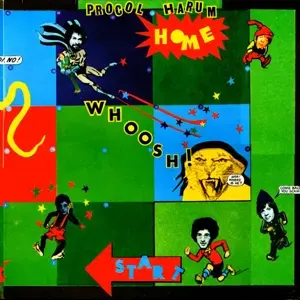
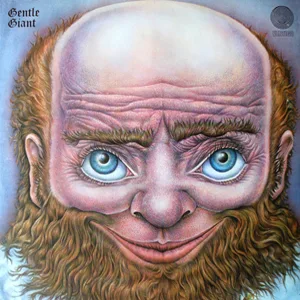
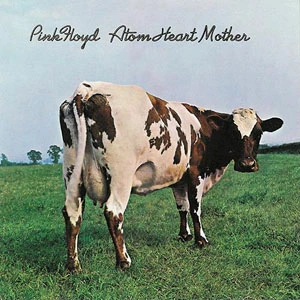
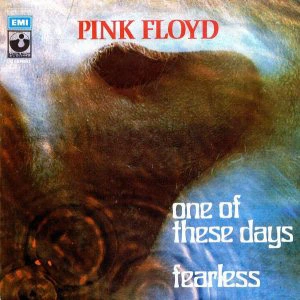
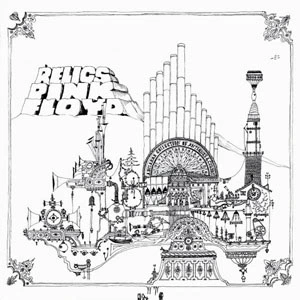
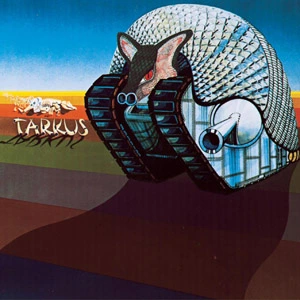
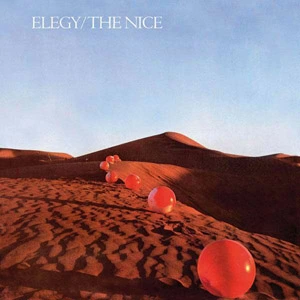
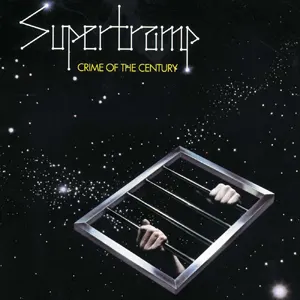
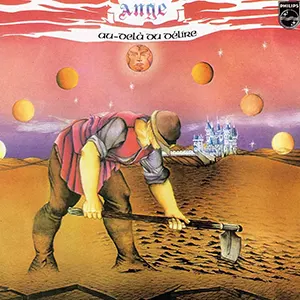
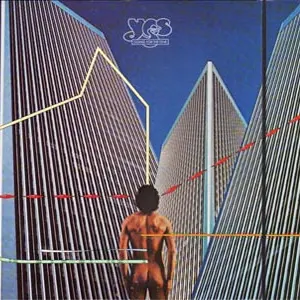
Progressive rock artworks, like double vinyl sleeves, are imbued with a certain surrealism, with elaborate graphics.
It is possible to recognise a band by the style of the sleeve.
Themes include science fiction, fantasy, tales, legends or mythology.

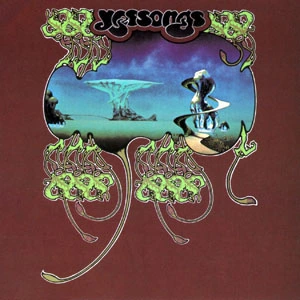
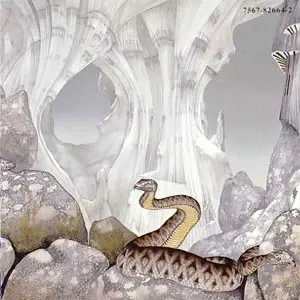
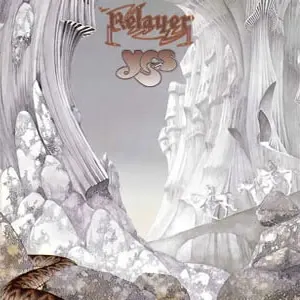
Roger Dean, British artist, famous for the logos and cover illustrations he designed for Yes and later for Greenslade and Asia.
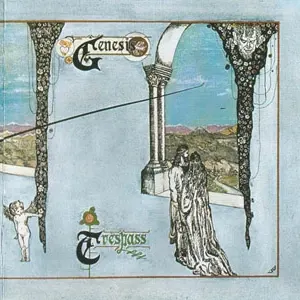
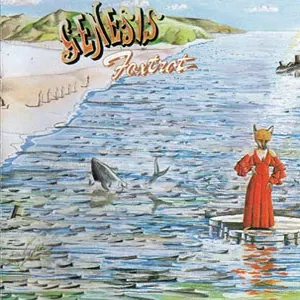
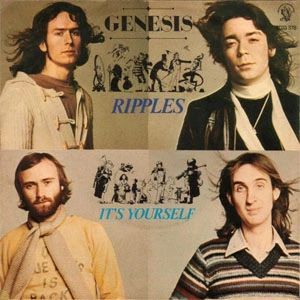
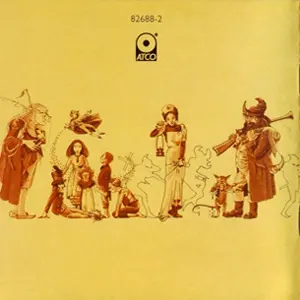
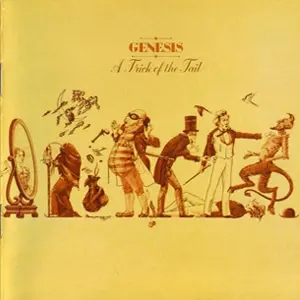
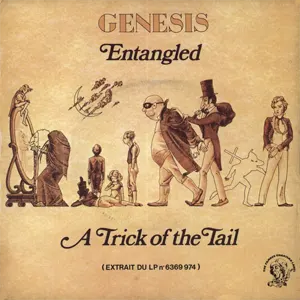
Paul Whitehead designed for Genesis, Van der Graaf Generator and Peter Hammill.
Mark Wilkinson designed for Marillion.
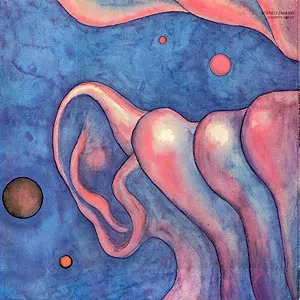
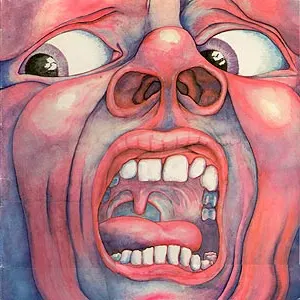
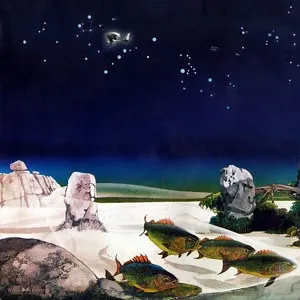
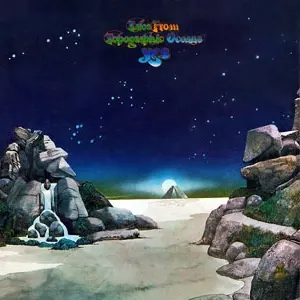
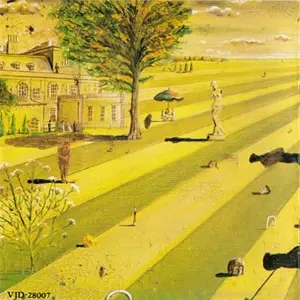
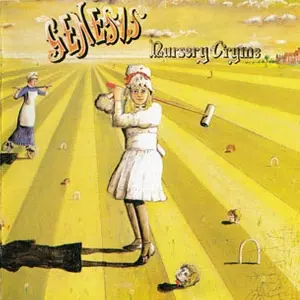
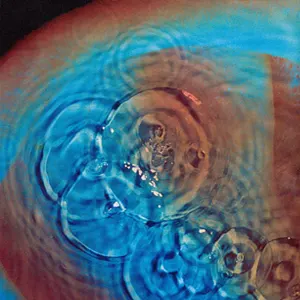
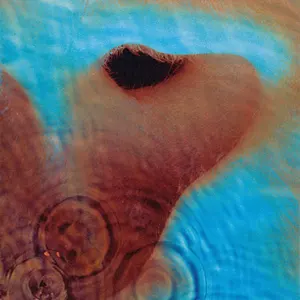
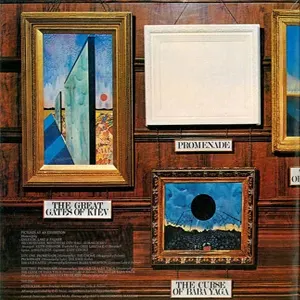
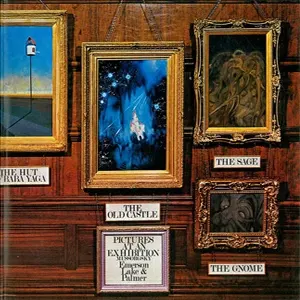
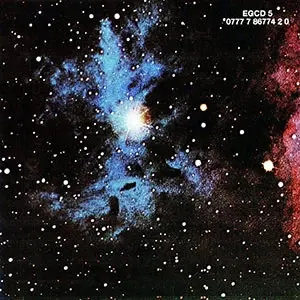
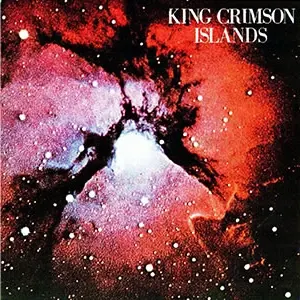
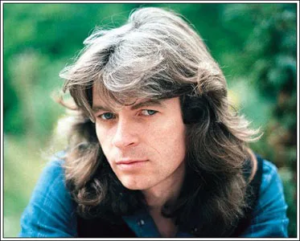
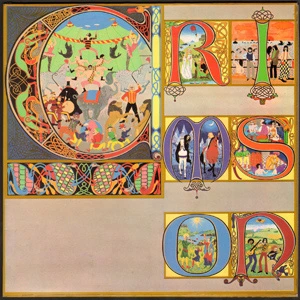
l. to r. : Barry Godber (King Crimson), Roger Dean (Yes),
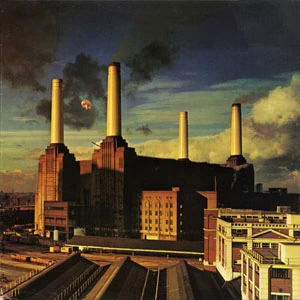
Paul Whitehead (Genesis), Hipgnosis (Pink Floyd).
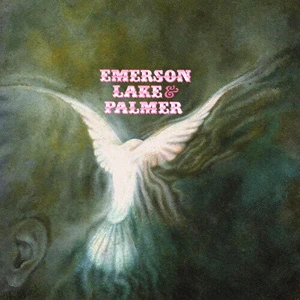
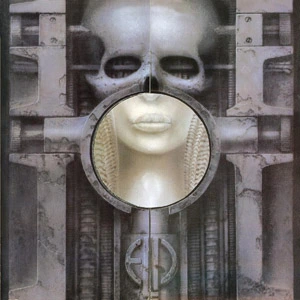
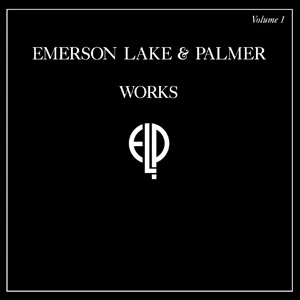
William Neal (E.L.P.), Peter Sinfield (King Crimson).
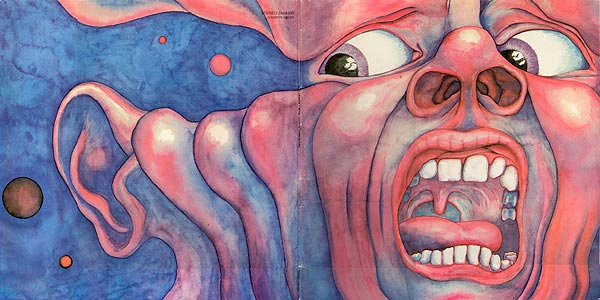
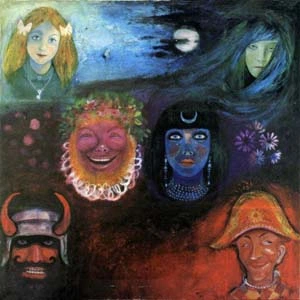
The cover illustration for the album was created by a young computer scientist, Barry Godber.
It shows a close-up of a wide-eyed, frightened and screaming face, while the left-hand side of the cover is made up of a multiplication of the oversized ear of the 21st Century Schizoid Man, first song of the album.
The illustration on the inside cover shows the Crimson King, calm and smiling.
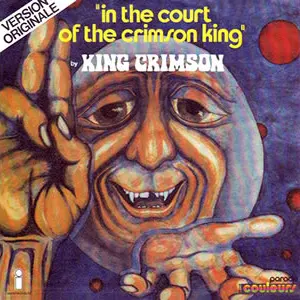
1967
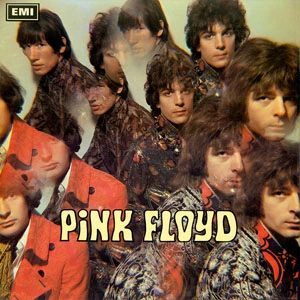
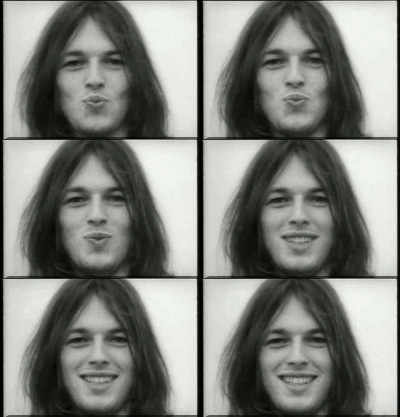
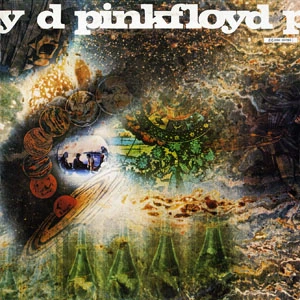
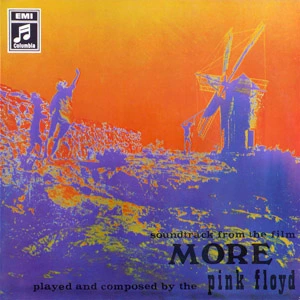
The London band Pink Floyd was formed in 1965 and became famous in particular for their live performances.
Their early psychedelic music evolved into progressive rock with a hint of soaring and experimental music.
The members in 1967 were Syd Barrett, Roger Waters, David Gilmour, Richard Wright and Nick Mason.
Between 1965 and 1968, guitarist-singer Syd Barrett recorded singles and the album The Piper at the Gates of Dawn with Pink Floyd.
He was the band’s main songwriter, but his drug use led to him being replaced by David Gilmour in early 1968, during the recording of A Saucerful of Secrets.
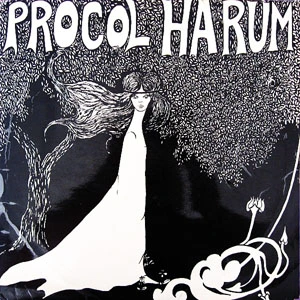
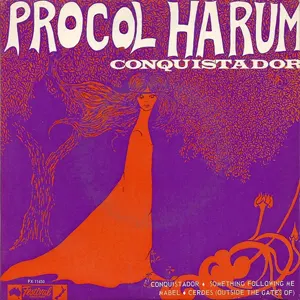
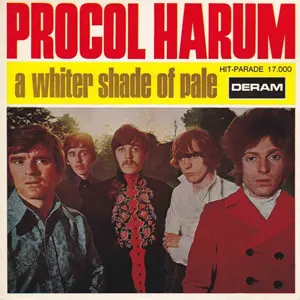
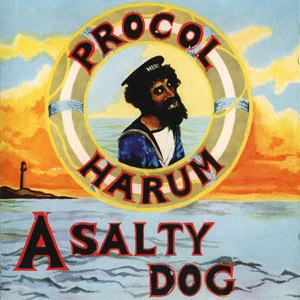
About the band name, Gary Brooker explains :
We didn’t invent it, our manager at the time ‘phoned up and said he’d found a name. We said, ‘What is it?’ ‘Procol Harum.’ ‘Oh, great.’
Procol Harum’s music is a kind of psychedelic rock and proto-prog with hints of blues, R&B and soul.
Nights In White Satin, sung by composer-guitarist Justin Hayward of the Moody Blues, and A Whiter Shade of Pale, performed by pianist Gary Brooker of Procol Harum, are among the greatest slows in rock history.
1968
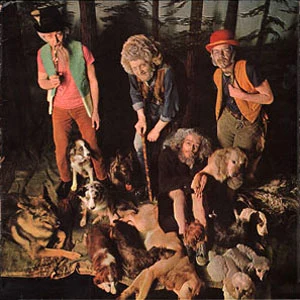
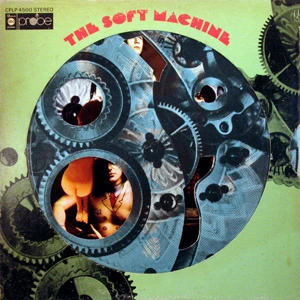
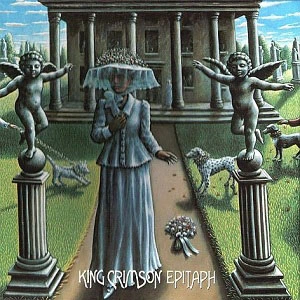
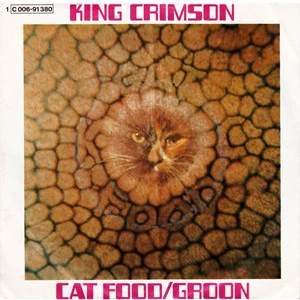
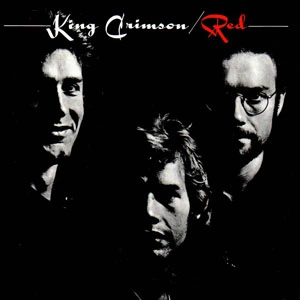
King Crimson were an English-based progressive rock band formed in London in 1968 by Robert Fripp (guitars), Michael Giles (drums, persussion & vocals), Greg Lake (bass, vocals), Ian McDonald (saxophone, flute, clarinet, keyboards) and Peter John Sinfield (lyrics, guitar, synthesizers).
Two albums were recorded with these musicians: In the Court of the Crimson King (1969) and In the Wake of Poseidon (1970).
Greg Lake would later join Emerson, Lake and Palmer.
Pink Floyd
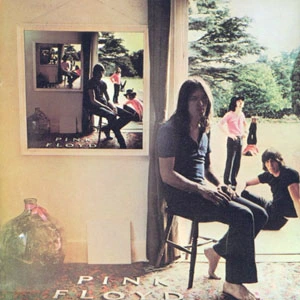
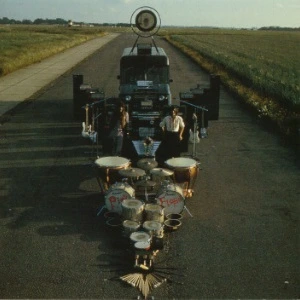
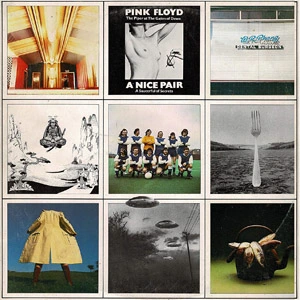
Ummagumma is the fourth album by English rock band Pink Floyd.
It’s a double concept album , with a live and a studio version.
It was released on 7 November 1969 by Harvest Records.
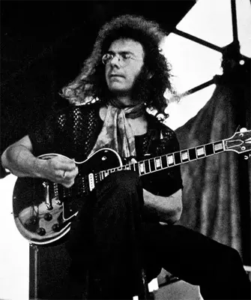
Robert Fripp
(King Crimson)
1969
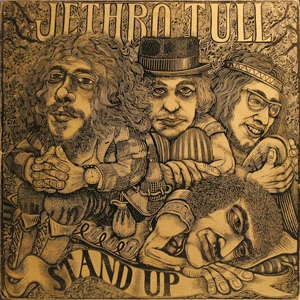
Progressive rock’s became popular in the 1970s.
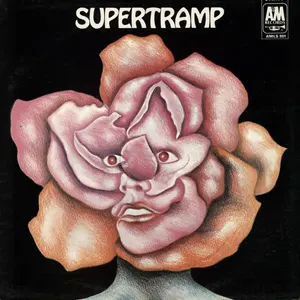
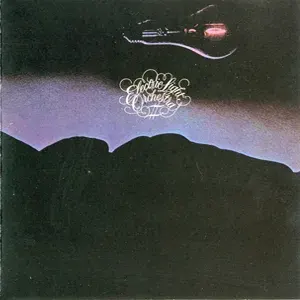
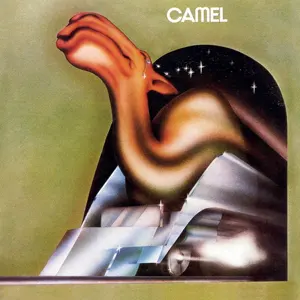
The main bands involved in the first developments were The Nice, Yes, King Crimson, Genesis, Pink Floyd, Supertramp, Emerson, Lake and Palmer, Soft Machine, Electric Light Orchestra, Jethro Tull, Tangerine Dream and Camel.
Numerous artists and bands claiming to be part of this progressive movement are developing internationally, including German krautrock, and RPI for Rock Progressivo Italiano.
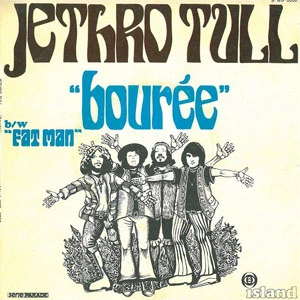
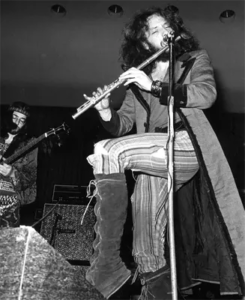
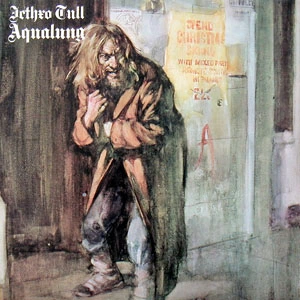
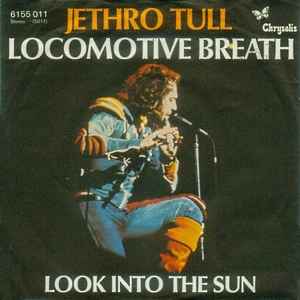
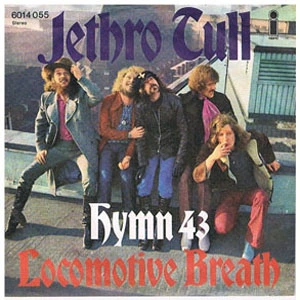
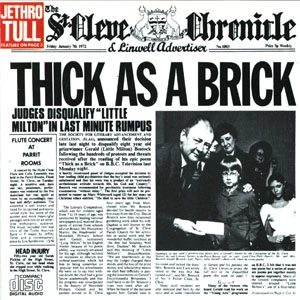
Jethro Tull are a British rock band formed in Blackpool.
The group’s founder, bandleader, composer, lead vocalist, and only constant member is Ian Anderson, a multi-instrumentalist who mainly plays flute and acoustic guitar.
Their musical style shifted in the direction of progressive rock starting with Aqualung (1971),
Our agent, who had studied history at university, came up with the name of Jethro Tull (an 18th-century English agricultural pioneer who invented the seed drill).
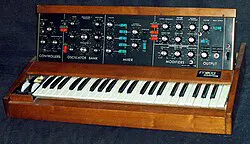
The Minimoog is a monophonic analogue synthesiser invented by Bill Hemsath and Robert Moog.
It was used by both soaring bands such as Tangerine Dream, Kraftwerk, Klaus Schulze, Vangelis, Pink Floyd and Jean-Michel Jarre, and progressive bands such as Emerson, Lake & Palmer, Yes and Marillion, and later by Gary Numan, Giorgio Moroder, Abba and Daft Punk.
1970
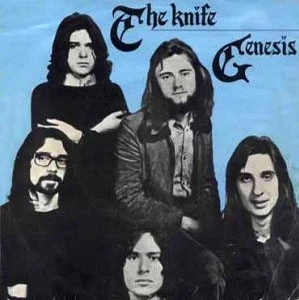
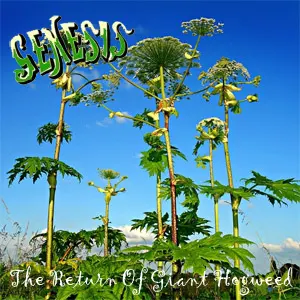
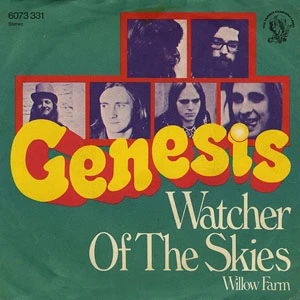
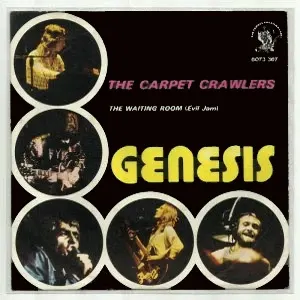
The line-up between 1971 and 1975 was as follows: Peter Gabriel on vocals, flute and percussion, Mike Rutherford on bass and rhythm guitar, Steve Hackett on guitar, Tony Banks on keyboards, Phil Collins on drums, percussion and backing vocals.
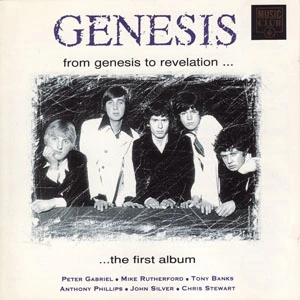
The pop songs on their first album From Genesis to Revelation evolve into progressive rock with a folk accent.
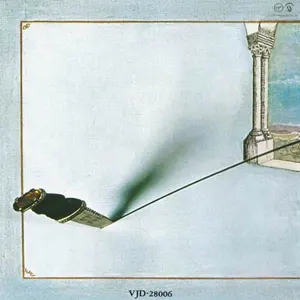
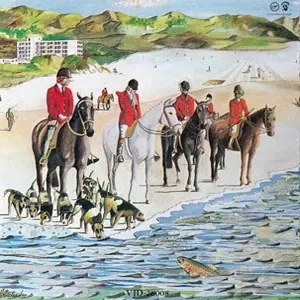
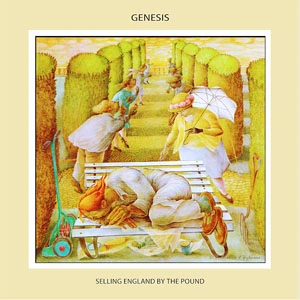
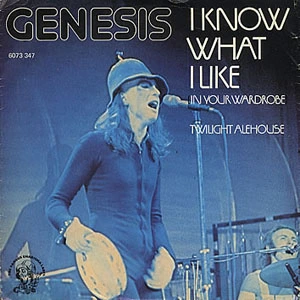
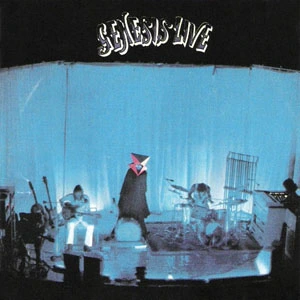
Genesis produced one album a year for British Record label Charisma Records: Trespass (1970), Nursery Cryme (1971), Foxtrot (1972), Selling England by the Pound (1973) and the double concept album The Lamb Lies Down on Broadway (1974).
1971
1972
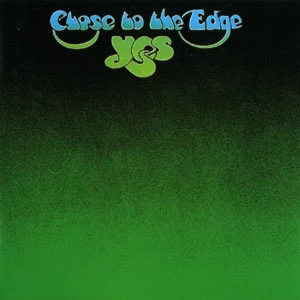
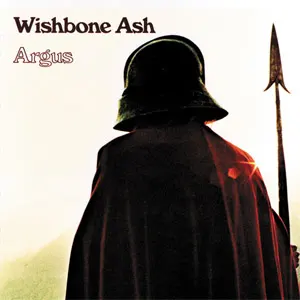
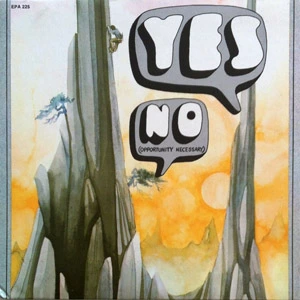
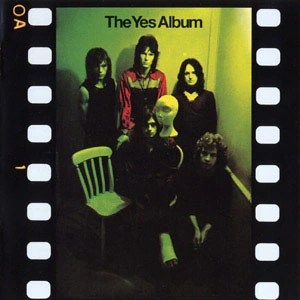
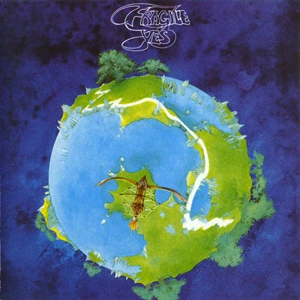
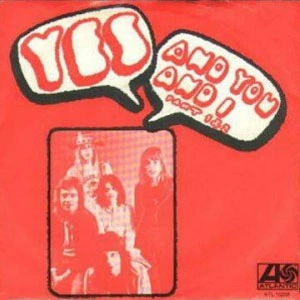
Jon Anderson, Steve Howe, Rick Wakeman, Chris Squire and Alan White are part of the band’s “classic” line-up, which covers four periods: 1972-1974, 1976-1980, 1995-1997 and 2002-2004.
The two founding members missing from this list are keyboardist Tony Kaye and guitarist Peter Banks.
Peter Banks came up with « Yes », the name of the band, which could have been called World or Life.
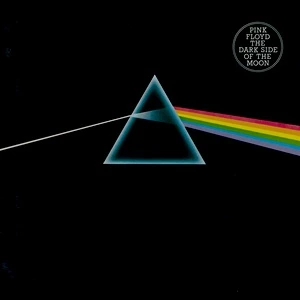
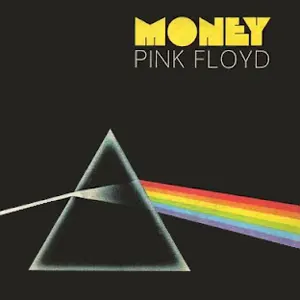
The Dark Side of the Moon was recorded in two sessions in 1972 and 1973 at Abbey Road Studios in London.
English audio engineer Alan Parsons contributes a number of sonic aspects, including the recruitment of singer Clare Torry on the track The Great Gig In The Sky, composed by Richard Wright.
1973
1974
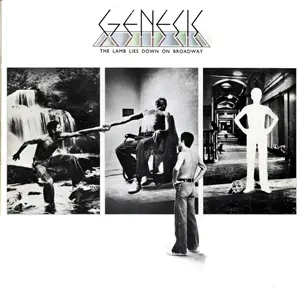
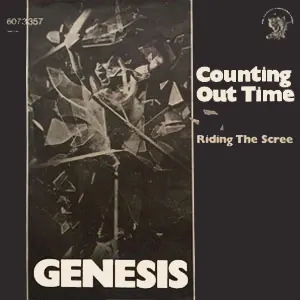
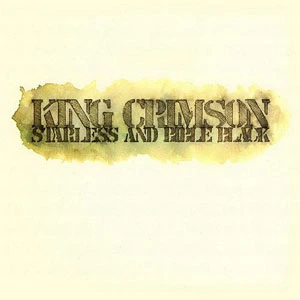
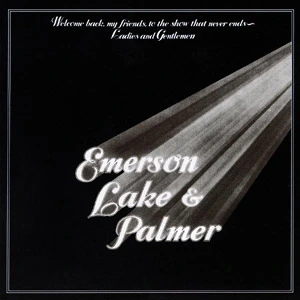
Peter Gabriel left the band in 1975, after touring the 1974 concept album The Lamb Lies Down on Broadway.
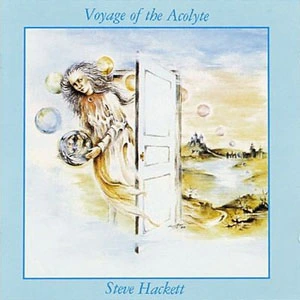
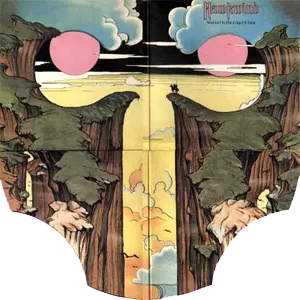
Voyage of the Acolyte is guitarist Steve Hackett’s first solo album.
Mike Rutherford and Phil Collins are featured on this album, as is Sally Oldfield, Mike Oldfield’s sister, who sings on Shadow of the Hierophant.
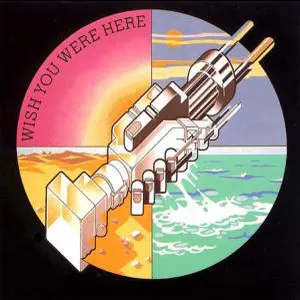
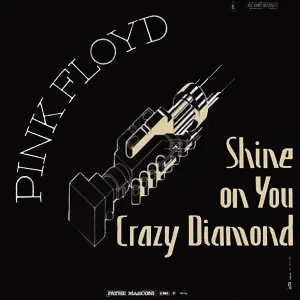
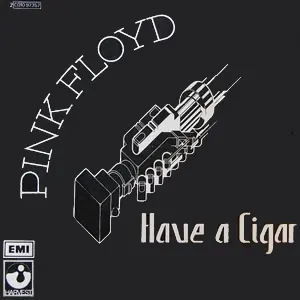
Wish You Were Here is a Pink Floyd song, written by Roger Waters and David Gilmour as a tribute to Syd Barrett, who abandoned his musical career.
A live recording of the song was released in 1995 on the album Pulse.
The album of the same name was released in 1975.
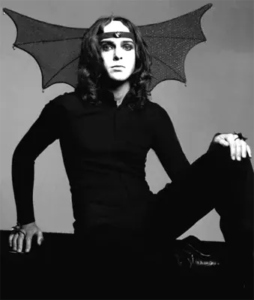
Peter Gabriel
(Genesis)
1975
1976
1977
1978
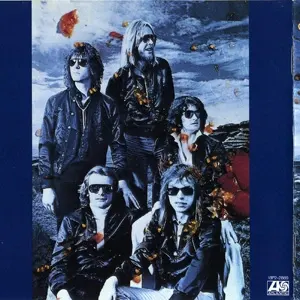
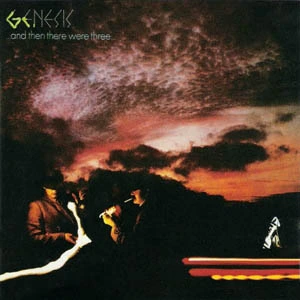
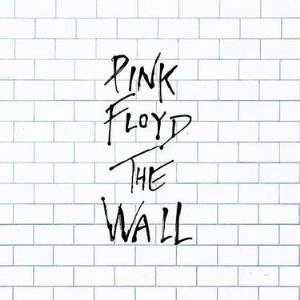
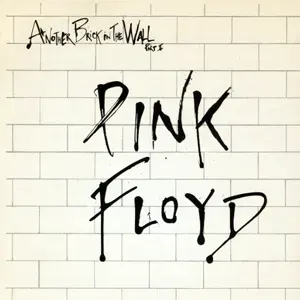
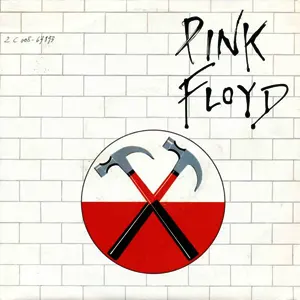
The Wall project, produced by Bob Ezrin, Rogers Waters and David Gilmour, was created in 1978.
It comprises three parts: the concept album, its stage performance as a rock opera and a feature film directed by Alan Parker, released in 1982.
The character is a rocker played by Bob Geldof, who keeps to himself and plunges into madness as he isolates himself from everyone, both physically and socially.
1979
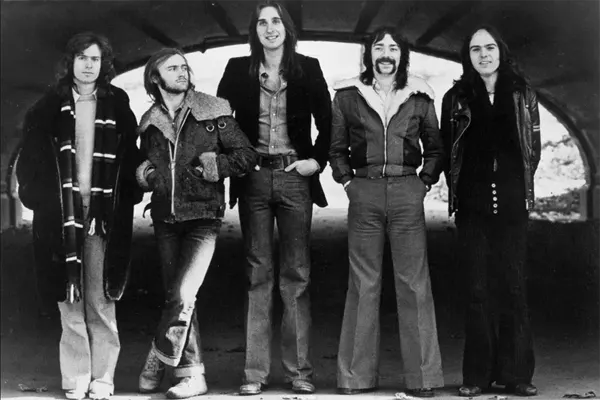
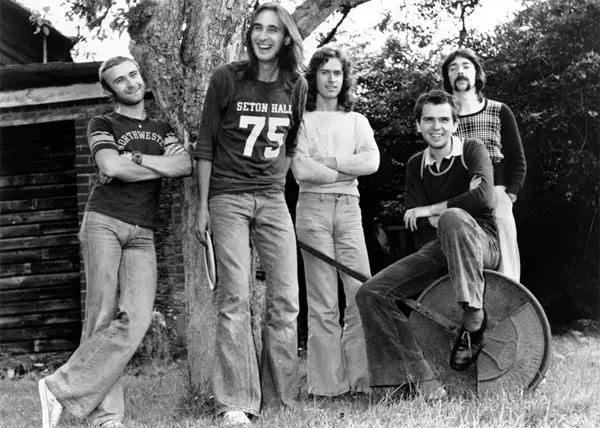
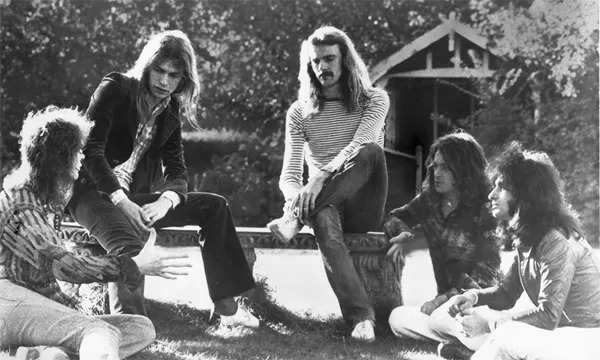
Genesis
left to right :
Photo 1 : Tony Banks, Phil Collins, Mike Rutherford, Steve Hackett, Peter Gabriel.
Photo 2 : Phil Collins, Mike Rutherford, Tony Banks, Peter Gabriel, Steve Hackett.
Yes
Chris Squire, Steve Howe, Alan White, Jon Anderson, Patrick Moraz. © Gilles Petard/Redferns