Punk Rock
The post-punk shift
Siouxsie and the Banshees is a punk band formed in London in 1976 with Siouxsie Sioux (singer), Steven Severin (bassist) and the drummer Budgie.
In 1978, Devo and Blondie in the US, The Police, Magazine, XTC, Simple Minds, The Stranglers, and Siouxsie in England produced a different kind of music, sometimes dissonant, often more melodic and vocal, combining synthesizers with syncopated or harmonious rhythms and soundscapes, depending on your point of view.
This music could be described as “post-punk, art-punk, or new wave” music.
At this stage, it’s difficult to classify certain songs or albums into each genre.
Gothic rock does exist ?
Robert Smith stated in an interview that the term “goth” did not exist when The Cure’s albums, which are often described as such, were made; rather, the term describes the “appearance,” clothing, and hairstyles of fans of artists associated with the post-punk movement.
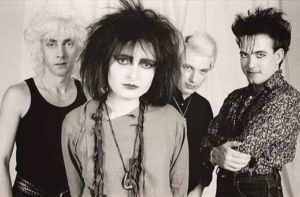
Budgie, Siouxsie, Steven, Robert (1982)
1980 > 1981
1982 > 1984
The french punk scene
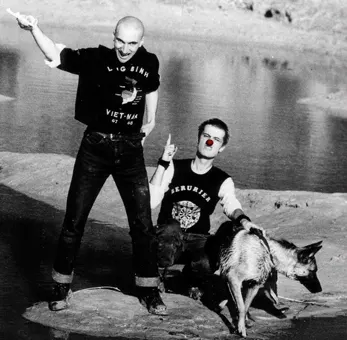
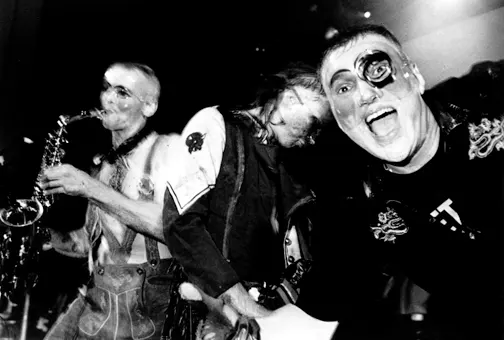
A wide variety of French oi!, punk & psychobilly artists emerged in the eighties : Oberkampf, Panik, BB Doc, Les Bérus, Les Garçons Bouchers, Parabellum, Les Wampas.
The punk scene in Japan
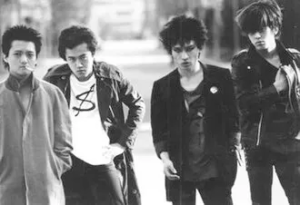
The Stalin is a hardcore punk band formed by leader and social activist Michiro Endo in 1980 in Fukushima.
The band’s name is a deliberate punk nod to Joseph Stalin, a dictator who is hated in Japan.
1985 > 1989
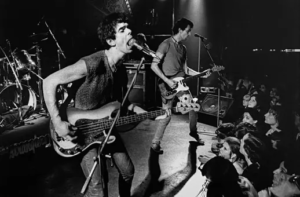
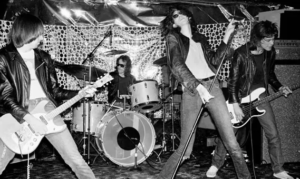
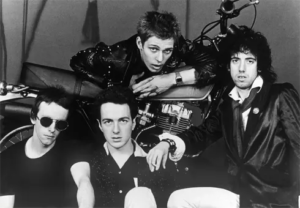
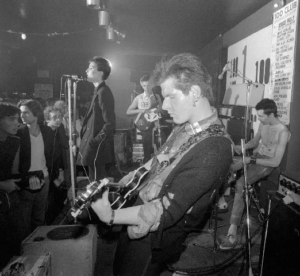
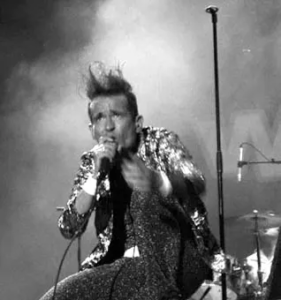
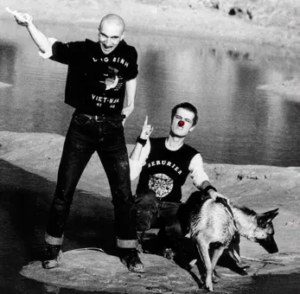
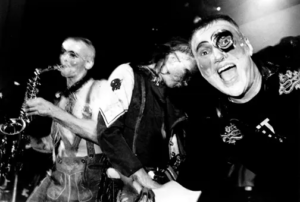
left to right :
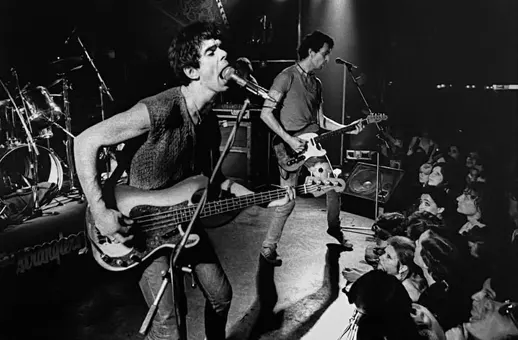
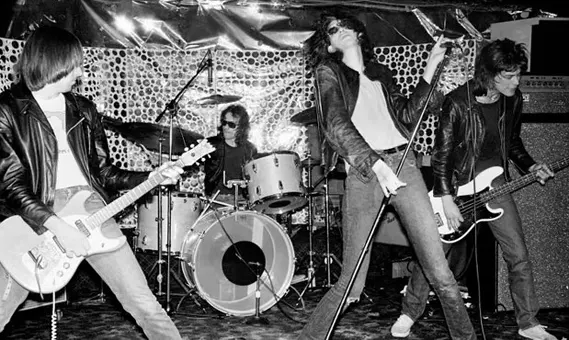
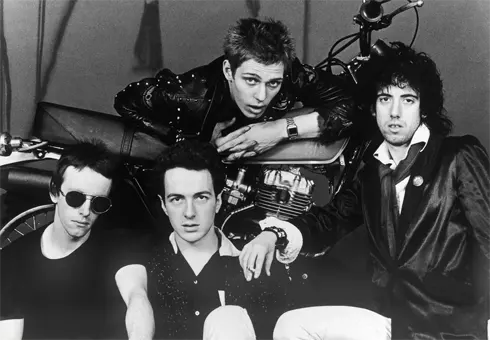
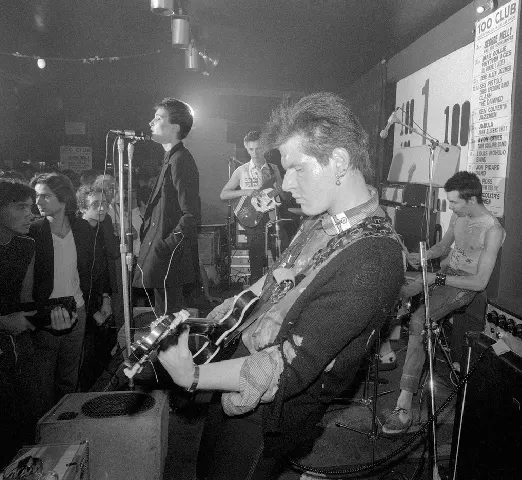
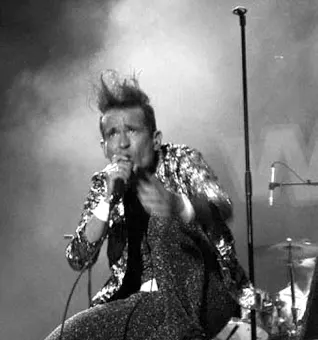
The Stranglers © 1977, Adrian Boot, Ramones © 1976 NYC , Danny Fields, The Clash.
Siouxsie Sioux w. Sid Vicious on drums, Les Wampas, Bérurier Noir.