rastafari
The origins
Rastafarianism is a spiritual movement that emerged in the 1930s among the descendants of slaves in Jamaica, influenced by the “Back to Africa” movement, one of whose goals was to “repair” the population displacement caused by slavery.
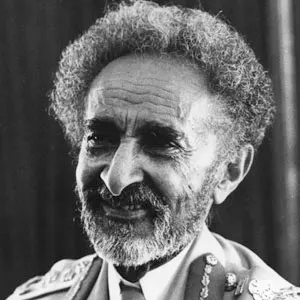
The Rastafari Movement bears the name of the emperor before his coronation: Ras Tafari (Ras, an Ethiopian noble title, and Tafari, his birth name).
Tafari Makonnen (1892–1975) was the last emperor of Ethiopia.
He reigned under the name Haile Selassie I from 1930 to 1936 and from 1941 to 1974.
Independence
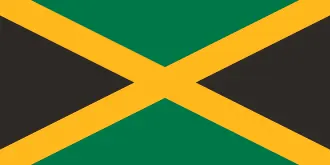
1962 : Jamaica declares its independence.
Haile Selassie was considered a “Black Messiah” because of his supposed ancestry dating back to King Solomon and the Queen of Sheba, who would lead the African peoples to freedom with a return of the diaspora to the promised land of Africa (Repatriation).
In 1948, Haile Selassie offered land to the Rastas in Ethiopia.
After a visit by the emperor to Jamaica in 1966, Caribbean people, attracted by the “promised land,” began to flock to Ethiopia, followed by Americans and Europeans.
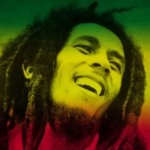
Bob Marley’s song : War, on the album Rastaman Vibration, was inspired by Haile Selassie’s speech to the United Nations General Assembly on October 4, 1963.
The King of Kings refocused the population on the original African spiritual beliefs, and the Rastafarians adopted the use of marijuana.