fifties
In 1953, the Olympia concert hall in Paris was about to reopen.
The manager Bruno Coquatrix thought of Bécaud for the very first “american show” in February 1954.
Bécaud made a smashing debut there, playing the piano like a madman, with his warm voice, midnight-blue suit and polka-dot tie.
His boundless energy earned him the nickname ” Monsieur 100,000 volts “, and audiences electrified by the music broke seats for the first time in music-hall history.
French singer and talent scout Edith Piaf introduced her to Louis Amade, who, along with Pierre Delanoë, would become one of her main songwriters.
The guitarist Georges Brassens was a famous French singer-songwriter.
He is considered one of France’s most accomplished postwar poets.
He set his own poems to music, as well as those of Aragon, Lamartine, De Musset,Victor Hugo, Paul Fort, Paul Verlaine, or François Villon.
La Mauvaise Réputation came out in 1953, followed in 1954 by Le Vent and Les Sabots d’Hélène, and four studio albums from 1956 to 1960.
Some of his most famous songs are : Le Petit Cheval, La Mauvaise Réputation et Le Gorille (1952), Bancs Publics, Pauvre Martin, Ballade des dames du temps jadis, Brave Margot (1953), Les Sabots d’Hélène, Chanson Pour l’Auvergnat (1954).
He sings with Charles Trenet in 1965 and 1966.
Chansons de Léo Ferré is the first studio album by the poet and composer released in 1954.
1950 – 1955
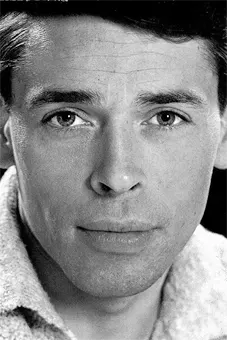
Jacques Brel was a Belgian singer and actor who composed and performed theatrical songs.
He became an influence on english-speaking songwriters and performers.
1956 – 1957
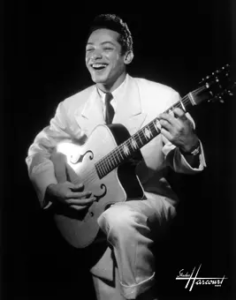
Henri Salvador was a French Caribbean singer, comedian and cabaret artist.
He learned the guitar by imitating Django Reinhardt’s recordings.
He recorded several songs written by Boris Vian with Quincy Jones as arranger.
He played many years with Ray Ventura and His Collegians where he used to sing, dance and even play comedy on stage.
The song Dans mon île (1957) influenced on Antônio Carlos Jobim in formulating the Brazilian bossa nova style.
Caetano Veloso recorded a version of the song and made Henri Salvador famous to Brazilian audiences with Reconvexo, in which he said : who hasn’t felt the swing of Henri Salvador?.
In 2005, Salvador was awarded the Brazilian Order of Cultural Merit, which he received from the singer and Minister of Culture, Gilberto Gil, for his influence on Brazilian culture, particularly on bossa nova, to whose invention he contributed.
1958 – 1959
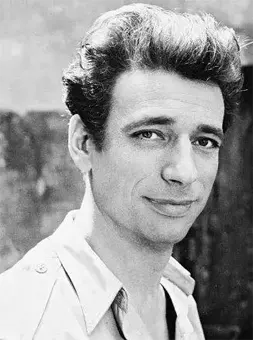
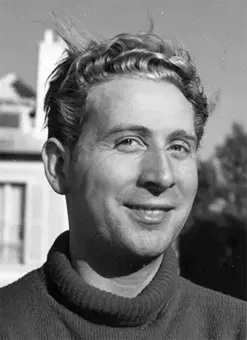
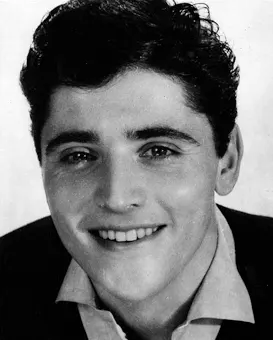
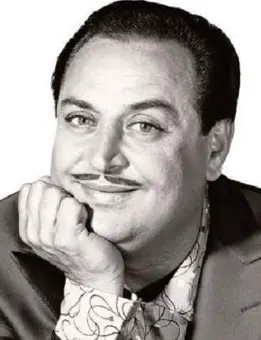
Left to right : Yves Montand, Charles Trenet, Sacha Distel, Dario Moreno, Jacques Brel.
C. Trenet (C) collection Pascal Halbeher
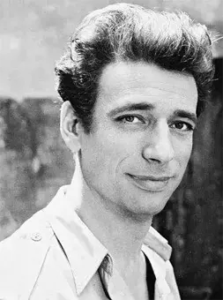
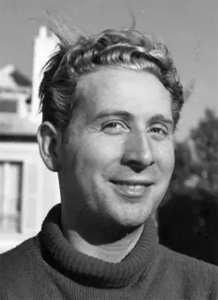
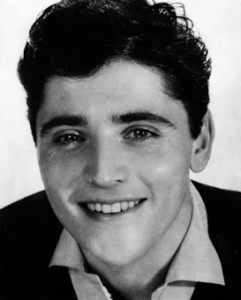
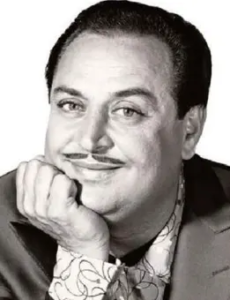
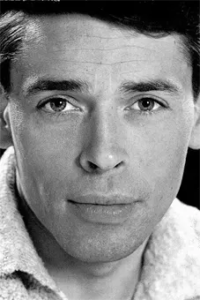
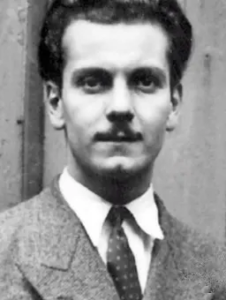
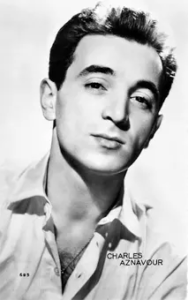
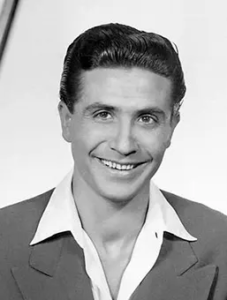
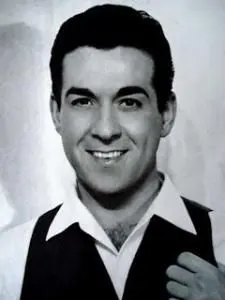
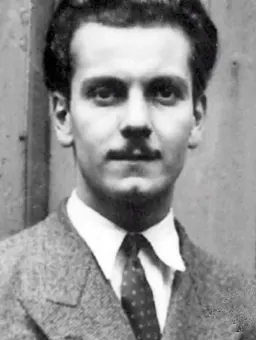
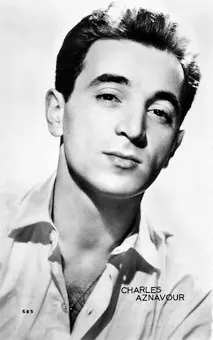
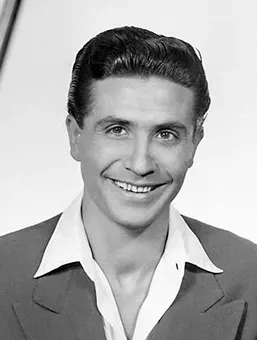
Left to right : Georges Brassens, Charles Aznavour, Gilbert Bécaud, Luis Mariano.